Nvidia $5 trillion valuation and market concentration risk for Investors
The historic valuation milestone occurred against a backdrop that revealed troubling market dynamics for diversified investors. On Monday, November 3rd, 2025, the S&P 500 advanced just 0.2% while the Nasdaq Composite gained 0.5%, yet these headline numbers masked underlying weakness that saw more than 400 stocks within the S&P 500 declining while only 24 of 30 Dow Jones Industrial Average components posted gains. Across the entire New York Stock Exchange, 1,783 stocks fell compared to just 793 advancers, demonstrating how market performance had become increasingly dependent on a handful of mega-cap technology names rather than broad-based participation that historically characterized sustainable bull markets. This development reinforced why prudent investors require portfolio diversification beyond traditional equity holdings, particularly when market leadership narrows to unprecedented concentration levels that create systematic risk exposures extending across multiple investment categories simultaneously.
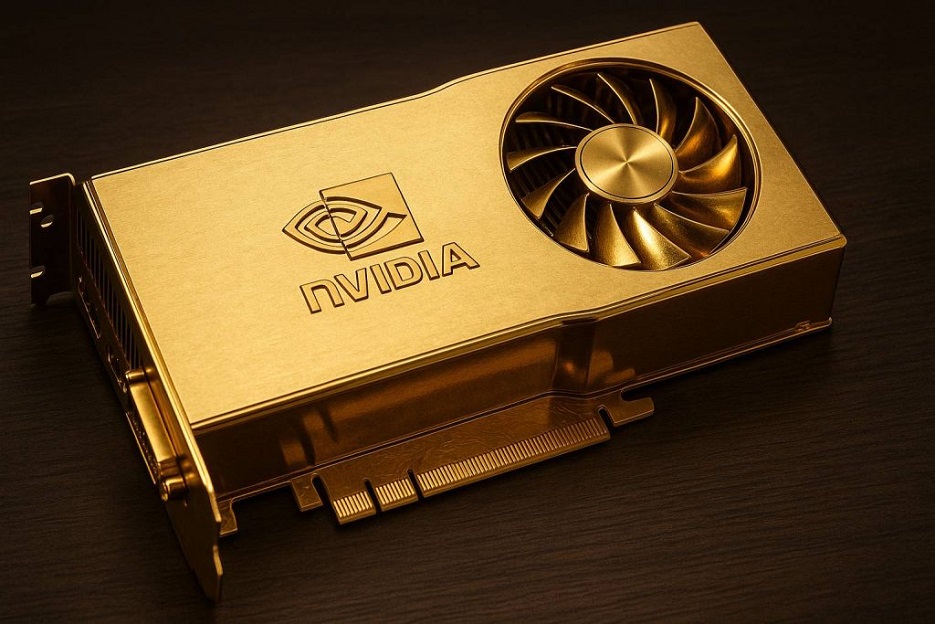
This Article Covers:
- How Nvidia’s $5 trillion valuation reflected unprecedented market concentration and narrowing leadership dynamics
- Why equity portfolios face structural risks from technology sector overweight and declining market breadth patterns
- The systematic vulnerabilities created by investments dependent on artificial intelligence spending momentum and mega-cap performance
- How collector car investments provide diversification from technology sector concentration and market breadth deterioration
- Why MCQ Markets offers accessible entry points to tangible assets that appreciate independently of market concentration dynamics
Nvidia Milestone Timeline: Market Concentration and Portfolio Implications
The valuation surge demonstrated how market dynamics shifted when technology sector performance diverged dramatically from broader indices. While Nvidia and select mega-cap technology names drove index gains, market breadth indicators revealed concerning deterioration in underlying participation. Analysis showed that just 4.6% of S&P 500 stocks traded at new 52-week highs in September 2025 compared to significantly higher percentages during previous bull market advances, suggesting that market gains concentrated in an increasingly narrow group of names rather than reflecting broad-based economic strength or corporate earnings expansion across multiple sectors.
Market concentration reached levels that exceeded historical precedents and prompted warnings from investment strategists. The top ten stocks in the S&P 500 commanded approximately 40% of the index’s market capitalization as of November 2025, representing a figure that doubled since 2010 and surpassed concentration peaks observed during the late 1990s technology boom. The Magnificent Seven stocks, which included Nvidia alongside Apple, Microsoft, Amazon, Alphabet, Meta, and Tesla, accounted for nearly 35% of S&P 500 market capitalization despite representing less than 2% of the index’s constituents. This concentration created portfolio vulnerabilities that extended beyond individual stock performance into systematic dependence on continued mega-cap technology outperformance.
The market dynamics highlighted fundamental questions about portfolio stability when a small number of companies drove index returns while the majority of stocks lagged or declined. Institutional investors maintained positioning at the 86th percentile in semiconductor stocks entering 2025, reflecting overweight allocations that created significant exposure to technology sector momentum. When indices posted gains driven primarily by five to ten mega-cap names while declining advancers outnumbered advancing stocks by more than two to one, the implications extended beyond headline index levels to systematic repricing risks affecting investors whose portfolios replicated market-capitalization weighted benchmarks.
Portfolio Concentration: Investment Risk Management During Market Leadership Narrowing
Market concentration dynamics created significant portfolio challenges across multiple dimensions. The investment landscape’s dependence on artificial intelligence infrastructure spending, mega-cap technology earnings growth, and continued investor enthusiasm for a narrow group of companies created interconnected risk factors that simultaneously affected multiple portfolio components. When major indices posted gains driven primarily by five stocks that represented nearly 30% of index weighting, the portfolio implications affected not only direct technology holdings but also index funds, growth-oriented strategies, and diversified allocations that unknowingly maintained substantial concentration exposure through market-capitalization weighting methodologies.
The concentration pattern extended beyond technology sector overweight into broader market structure concerns. Investment strategists warned that portfolios containing core index funds alongside large-cap growth funds and technology-focused allocations effectively replicated similar exposures despite appearing diversified across multiple holdings. The phenomenon created systematic vulnerability when investors believed they maintained balanced portfolios while actually concentrating significant assets in overlapping mega-cap technology positions that drove index performance. Financial advisors noted that many portfolio owners remained unaware of their actual concentration levels until market dynamics shifted and narrow leadership reversed.
The implications for sophisticated investors proved substantial. While technology investments delivered exceptional returns during periods of artificial intelligence enthusiasm and mega-cap outperformance, the market’s concentration at historically unprecedented levels created portfolio challenges that intensified as percentage allocations increased without alternative asset diversification. Market analysts warned that when a handful of stocks determined index direction while underlying breadth deteriorated, the systematic exposure to leadership rotation risks required asset allocation strategies that operated independently of market concentration dynamics and technology sector momentum dependencies.
Investment professionals increasingly recommended alternative asset allocation approaches that reduced correlation with market concentration risks, particularly for clients whose existing wealth derived primarily from publicly traded equities tracking market-capitalization weighted benchmarks. The collector car market represented one such alternative, offering appreciation potential completely divorced from technology sector weighting, market breadth deterioration, or mega-cap performance concentration that drove traditional index valuations and created portfolio uncertainty during periods of narrow market leadership and declining participation breadth.
Alternative Investment Strategy: Collector Cars as Concentration-Independent Assets
The investment challenges demonstrated by Nvidia’s historic valuation milestone and broader market concentration dynamics reinforced why sophisticated investors sought asset classes that operated independently of technology sector dominance and market breadth deterioration patterns. Collector cars emerged as a preferred alternative investment category, offering several advantages during periods when traditional investments experienced concentration risks and narrow market leadership created systematic portfolio vulnerabilities.
Investment-grade collector automobiles provided critical portfolio benefits during market concentration periods:
Market Concentration Independence: Collector car values were evaluated based on automotive heritage, manufacturing scarcity, and historical significance rather than technology sector weighting, artificial intelligence infrastructure spending, or mega-cap stock performance that drove traditional index valuations and created concentration risks when narrow market leadership determined portfolio returns.
Breadth Deterioration Isolation: Physical automotive assets maintained tangible value regardless of market breadth patterns, declining advance-decline ratios, or narrow index leadership that affected equity portfolios tracking market-capitalization weighted benchmarks where a handful of mega-cap names determined returns while the majority of underlying constituents lagged or declined simultaneously.
Correlation Benefits: Classic Ferrari, Lamborghini, and Porsche appreciation operated completely independently of market concentration dynamics, providing genuine portfolio diversification during periods when traditional portfolio allocations created systematic risk exposure through overlapping mega-cap technology positions that dominated index weightings and determined performance outcomes despite appearing diversified across multiple investment vehicles.
MCQ Markets: Professional Access to Concentration-Independent Portfolio Stability
While traditional investors navigate unprecedented market concentration and deteriorating breadth dynamics, MCQ Markets provides sophisticated investors with professional access to collector car investments that appreciate completely independent of technology sector dominance or narrow market leadership patterns. Our fractional ownership platform makes investment-grade automobile access straightforward, allowing investors to build positions in rare vehicles whose values derive from automotive excellence, racing heritage, and production rarity rather than market concentration factors that create traditional portfolio systematic risks.
MCQ Markets eliminates traditional barriers through proven fractional ownership starting at just $20 per share. Premium automotive investments typically required substantial capital commitments, specialized storage facilities, maintenance expertise, and authentication knowledge that placed these assets beyond reach for most investors. Our platform addresses these obstacles while delivering professional asset management that handles storage, insurance, and maintenance responsibilities with complete transparency and institutional-quality standards.
Our investment platform features meticulously selected vehicles that provide traditional portfolio diversification through genuine market concentration independence. The collection showcases rare automobiles from legendary manufacturers including limited production supercars, documented motorsports heritage vehicles, and exclusive performance models that combine engineering excellence with investment-grade collectibility. Each vehicle undergoes comprehensive authentication ensuring investment quality and market positioning that supports long-term appreciation potential independent of technology sector weighting or market breadth patterns. Our acquisition strategy leverages deep motorsports industry relationships and global collector car networks developed through decades of market participation and professional automotive expertise.
Historical performance data demonstrates collector car investment credibility and wealth preservation capabilities. Research from luxury asset specialists shows collector car indices delivered consistent appreciation over extended periods, with established benchmarks like the Hagerty Blue Chip Index demonstrating seventeen-year outperformance versus traditional equity indices while maintaining minimal correlation with technology sector concentration and market breadth deterioration patterns. This independence from market structure dynamics makes collector cars particularly valuable for investors seeking stability during periods of narrow leadership and unprecedented concentration levels.
Our platform structure enables investors to build diversified positions across multiple investment-grade automobiles, spreading risk across different manufacturers, production eras, and collector market segments. This diversification approach within the alternative asset class itself provides additional stability compared to single-vehicle ownership, while our experienced management team ensures proper asset handling protects investment value through professional storage, comprehensive insurance coverage, and expert maintenance protocols that preserve automotive integrity and support long-term appreciation trajectories.
MCQ Markets delivers complete independence from market concentration dynamics, technology sector dominance, and breadth deterioration patterns that create systematic risks in traditional equity portfolios. Collector car appreciation remains unaffected by index weighting concentrations, mega-cap performance dependencies, or advance-decline ratio deterioration, offering genuine portfolio stability during periods of narrow market leadership and unprecedented concentration levels that affect traditional investment performance and create systematic vulnerability across seemingly diversified holdings.
Investment Outlook: Building Resilient Portfolios Through Concentration-Independent Asset Allocation
Nvidia’s historic $5 trillion valuation milestone and accompanying market concentration dynamics, coupled with continued breadth deterioration and mega-cap technology dominance patterns, created valuable insights for investors managing portfolio risks in traditional markets. The concentration scale and market structure implications demonstrated why building resilient portfolios required assets that maintained value regardless of technology sector weighting shifts or market leadership rotation campaigns.
This market structure challenge reinforced fundamental investment principles about diversification effectiveness and systematic risk management. When a handful of mega-cap technology companies determined index performance while the majority of underlying stocks declined, the importance of uncorrelated asset classes became paramount for portfolio stability and long-term wealth preservation strategies during periods of unprecedented market concentration and declining participation breadth.
The concentration dynamics affected operations across technology sectors, index fund allocations, and growth-oriented strategies, demonstrating how market structure created broad-based impacts that extended beyond individual holdings to entire benchmark-tracking investment categories. This systematic risk highlighted the importance of alternative asset allocation that operated independently of market concentration patterns, technology sector dominance structures, and breadth deterioration dynamics.
MCQ Markets addresses this diversification need by providing institutional-quality access to collector car investments through our established fractional ownership platform. Our investment structure allows traditionally-exposed investors to build positions in investment-grade automobiles while benefiting from professional management during market concentration periods and leadership narrowing cycles.
As market structure evolution continues and traditional indices remain sensitive to mega-cap technology performance, collector car investments continue operating in markets driven by automotive heritage and manufacturing scarcity rather than market concentration dynamics. This fundamental independence makes investment-grade automobiles particularly valuable for investors seeking portfolio stability during periods of unprecedented sector dominance and market-mandated structural concentration