

Younger Generations Are Making Classic Cars Cool Again, and Investors Should Pay Attention
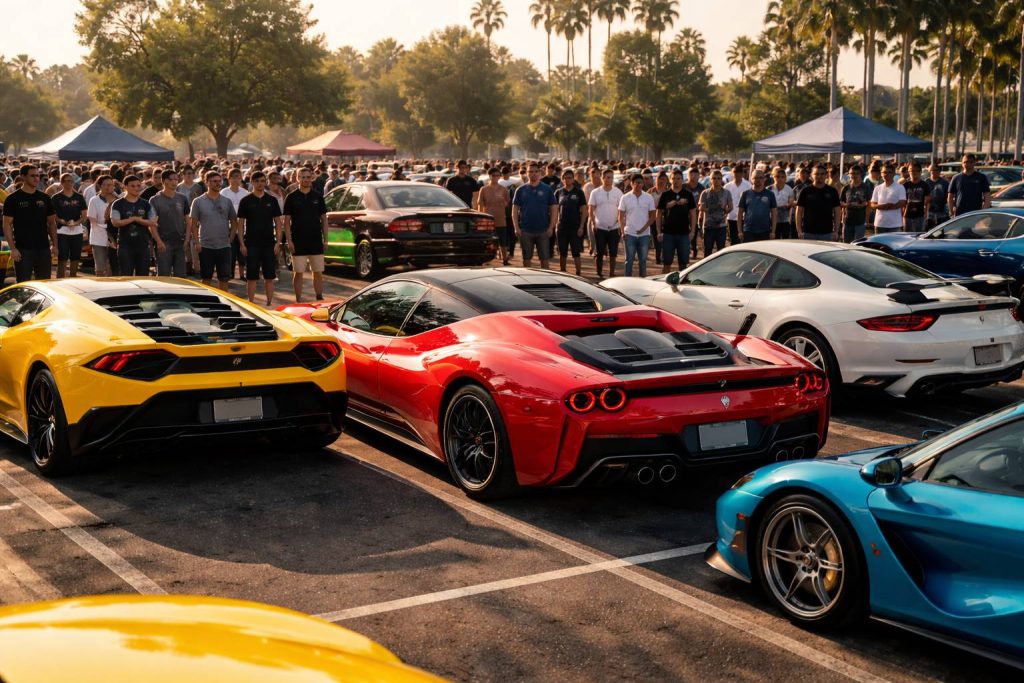
The global collector car market is seeing a massive shift. As Millennial and Gen Z wealth grows, their money is moving away from pre-war icons and toward what we call the “Analog-Digital” cusp. This isn’t just a matter of time passing. It’s a sophisticated change in what people value. Younger buyers aren’t looking for the same mid-century staples their parents loved. Instead, many are prioritizing high-performance automobiles from the tail end of the twentieth century.
Gen Z interest in owning a classic car is around 60%, while Millennials are increasingly entering the collector space, reshaping demand patterns (hagerty.com).
The headlines often focus on the giants. For example, the 1962 Ferrari 250 GTO (Chassis 3765GT) recently hit a record-breaking $51.7M. While that sets a high ceiling for traditional cars, smart investors are looking elsewhere. They’re finding “asymmetrical returns” in the modern classic sector. As these younger cohorts enter their peak earning years, they want something they can touch and feel. They’re buying nostalgic, mechanical assets as a way to balance out the volatility of the digital world.
Younger generations are seeking cars that they can actually drive and enjoy, not just display. This experiential ownership is driving interest in Japanese and 1990s performance cars (aol.com).
The core idea here is simple: wealth is moving into cars that offer a physical connection to the early digital era. We’re seeing a new tier of high-value assets where cultural cool and mechanical purity drive the price. It’s not just about what’s under the hood anymore; it’s about how the car makes you feel.
Article Overview
- Millennials & Gen Z are driving demand for 1980s–2000s “modern classics.”
- Scarcity, Radwood nostalgia, and JDM/tuner cars are boosting values.
- Online auctions and digital platforms make rare cars more accessible.
- Risks include maintenance, regulations, and provenance verification.
- Platforms like MCQMarkets showcase access to iconic cars for collectors.
Current Classic Car Market Dynamics: The Generational Shift
Younger investors have seen how fragile traditional finance can be. To them, a collector car is a transparent, tangible way to store wealth.
- Liquidity: You don’t have to go to a dusty auction house anymore. Digital platforms like Bring a Trailer and online Hagerty auctions make pricing visible in real-time, giving younger buyers a competitive advantage.
- Inflationary Hedging: Cars with limited production runs think Porsche 911 (993) Turbo have been shown to hold value because their supply is fixed.
- Structural Integration: Digital-first sales models align with the habits of tech-savvy Millennials and Gen Z, making the market more accessible.
Hagerty Data Insight: Online auctions have surpassed traditional live events in volume, making it easier for younger buyers to participate from anywhere (hagerty.com).
The rise in “utility of experience” is another driver. Younger buyers value both financial upside and lifestyle engagement. Exclusive events, car clubs, and online communities contribute to both emotional and monetary value.
Several platforms are now facilitating access to high-value collector cars for investors and enthusiasts. like, MCQMarkets, which specializes in fractional and direct car investments, currently lists vehicles like a 1984 Ferrari 512 BBi, Lamborghini Diablo 6.0 VT, and a 2012 Lexus LFA Whitest White. This illustrates how access to rare cars has broadened beyond traditional auctions, aligning with the preferences of younger collectors.
Fundamentals Behind Appreciation
Why are these cars gaining value so fast? It comes down to two things: scarcity of survivor-grade vehicles and a newfound love for the raw driving style of the 1980s and 1990s. Data shows a clear split: while interest in mid-century luxury is cooling, the Radwood era 1980 to 2005 performance cars is booming.
- JDM Dominance: Japanese Domestic Market cars, like the Nissan Skyline GT-R (R34), are increasingly prized. Hagerty notes strong price appreciation for Japanese classics due to limited supply and rising demand (hagerty.com).
- Tuner Culture Maturity: Enthusiast subculture cars, once overlooked, are being restored to high standards, gaining respect alongside European legends.
- Community-Led Value: Online communities can drive near-instant price spikes when specific models become viral.
Newsroom Hagerty Insight: Gen Z collectors are actively participating in digital communities, accelerating awareness and demand for Radwood-era cars (hagerty.com).
Risks and Rewards
- Maintenance Scarcity: Early computer systems (Bosch Motronic, ECU-driven engines) require expert care.
- Regulatory Headwinds: Historic vehicles generally enjoy exemptions, but emission standards may limit driving in certain regions.
- Provenance Integrity: Certification like Ferrari Classiche or Porsche COA is essential to protect investment.
A Roadmap for understanding Collector Cars as an asset class
Time Horizon: Long-Term (10+ years)
Key to consider:
- High cultural relevance
- Original, unmolested parts and complete documentation
- Active online fan base and limited production
Investor Takeaway: Millennials and Gen Z are not just changing taste, they’re shaping the future value curve of collector cars. By aligning investments with generational preferences, investors can tap into a long-term trend that blends cultural cool, tangible utility, and financial upside.
Platforms like MCQMarkets highlight how modern collectors can engage with iconic late‑20th‑century and early-21st-century vehicles. Know more…

